Step 1 of 4 · Fitness
Steps, workouts and GPS, tested
A fitness watch earns its place when its numbers match how your body felt. This is how we judge steps, workouts, GPS and training load before a watch makes our shortlist.
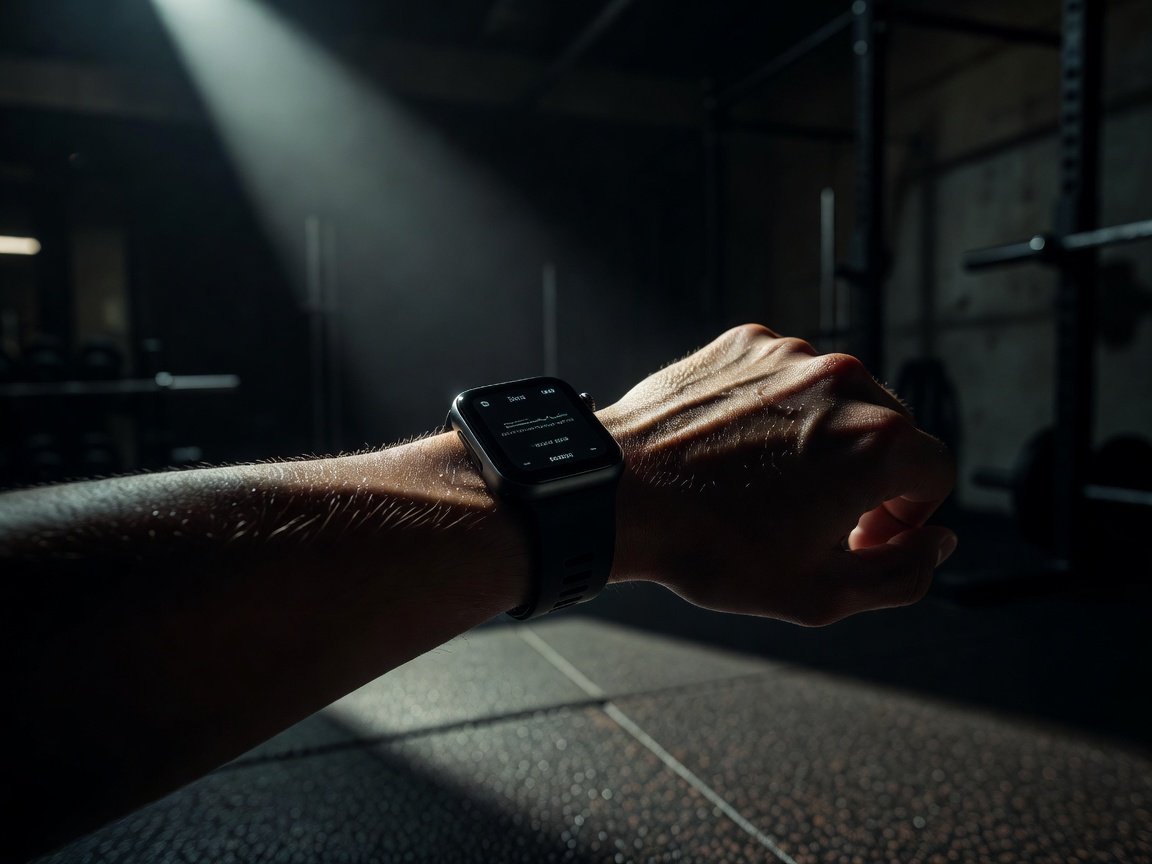
Name the goal before the brand
Most disappointment with smartwatches comes from buying for a goal you do not have. A daily walker wants reliable step counts, gentle nudges and a screen that is readable in daylight. A runner needs fast GPS lock, accurate pace and structured workouts. A gym regular cares about heart-rate response during intervals and a strap that survives sweat.
Start by writing down the one activity you do at least three times a week, then judge every watch against it. All-rounders such as the Apple Watch Series and Samsung Galaxy Watch cover walking, gym classes and casual running very well. Dedicated sports families, including Garmin Forerunner, Coros Pace and Polar Pacer, trade a little polish for sharper training tools. For mountains and long days outside, Garmin Fenix, Coros Vertix, Suunto and Apple Watch Ultra add bigger batteries, navigation and tougher cases.
How we check steps and distance
We walk a measured 400-metre running track three times, at an easy pace, a brisk pace and with hands in pockets, then compare each watch with a tally counter and the track markings. Wrist-worn counters read arm swing, so pushing a pram or carrying shopping can undercount, while fidgeting at a desk can add a few false steps.
A gap of a few percent is normal. What matters is consistency: if the same walk gives similar totals on different days, the trend is trustworthy even when the absolute number is slightly off. Treat the daily step goal as a prompt to move, not a verdict on your health. Distance is better judged with GPS in outdoor workouts, where the watch measures the route rather than inferring it from stride length.
GPS and heart-rate in real workouts
Open sky is easy for any watch, so we test where GPS struggles: tree cover, narrow city streets and tight loops. Newer models with dual-frequency satellite tracking, often described as L1 and L5, including Apple Watch Ultra and several Garmin and Coros watches, tend to hold a cleaner line between tall buildings. Single-frequency watches remain perfectly fine for parks and open roads.
Heart-rate is the second check. Optical sensors do well at steady effort, but can lag during hard intervals or when the strap is loose. We wear each watch alongside a Polar H10 chest strap, widely used as a reference, and compare a five-minute steady block with a set of short sprints. If the wrist reading trails the strap by many seconds during intervals, we say so, and we recommend a chest strap for anyone who trains by heart-rate zones.
Training load without the guesswork
Modern watches turn your workouts into scores. Garmin's Training Status uses analytics from Firstbeat, Apple's Workout app tracks effort and recovery trends, and apps such as Strava or Polar Flow add a longer view. These are estimates built from heart-rate, pace and previous sessions, so they work best after a few weeks of consistent wear.
We look at whether the advice is plain enough to act on, such as an easy day or ready for quality, and whether the watch lets you ignore it without nagging. If a score ever clashes with how you feel, such as heavy legs, poor sleep or illness, trust your body and rest. A good watch supports that decision rather than fighting it.
Quick picks by workout style
Running
Garmin Forerunner, Coros Pace and Polar Pacer: light cases, quick GPS lock and structured intervals.
Gym and classes
Apple Watch Series, Galaxy Watch and Fitbit: responsive screens and easy heart-rate views. Rep counting varies, so test it in a trial window.
Swimming
Look for a swim mode and a water rating of 5 ATM or better. Apple Watch, Garmin and Polar all offer pool tracking.
Hiking
Garmin Fenix, Coros Vertix, Suunto and Apple Watch Ultra bring maps, breadcrumb navigation and bigger batteries.